What the Galápagos Islands and Colombia’s misty mountains can teach us about the natural world.
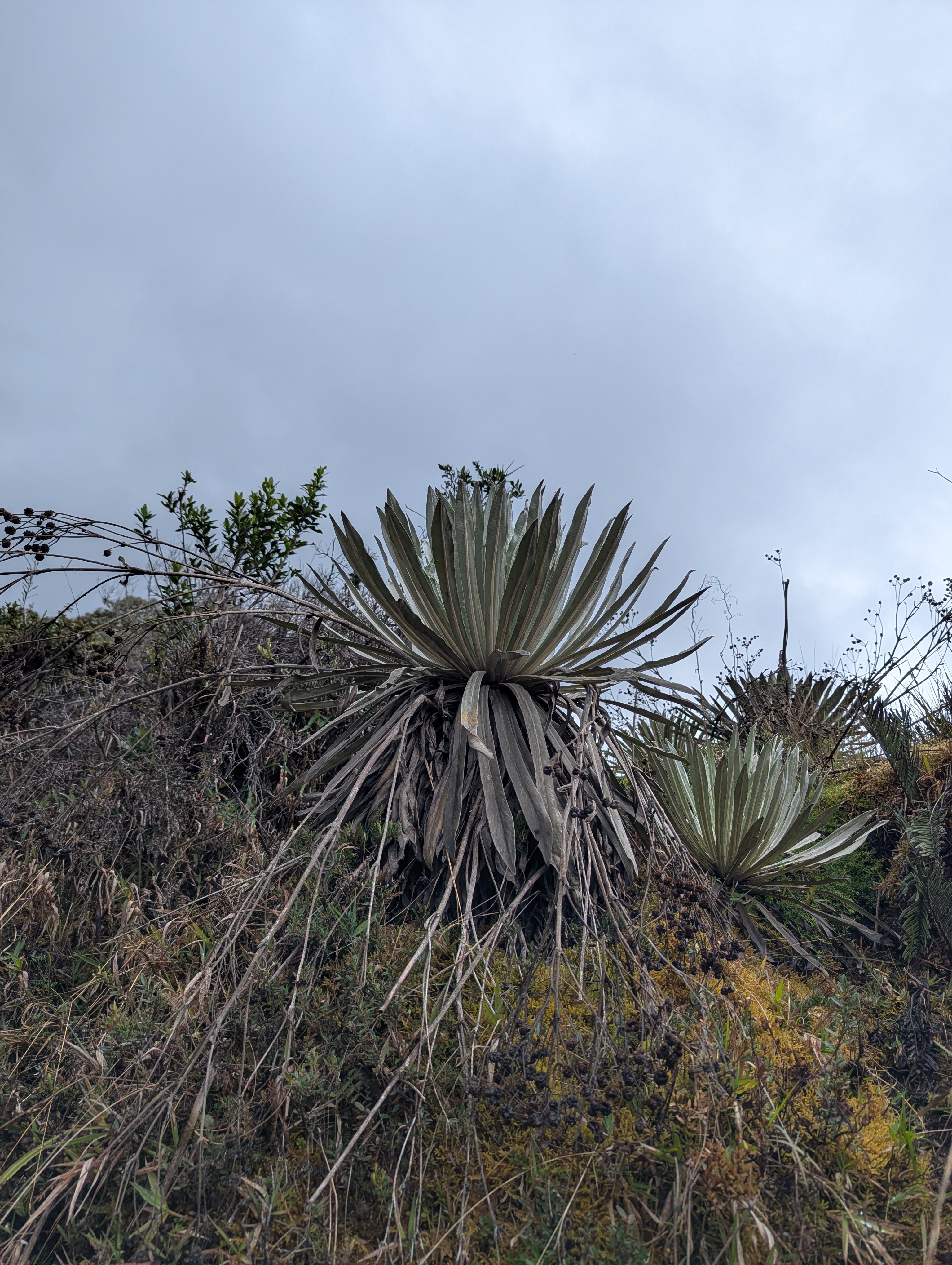
When I first visited Chingaza National Park in Colombia, I was hoping to see spectacled bears. And while the bears were certainly a highlight, something else caught my attention: a strange-looking plant emerging from the mist.
These plants, called frailejones, grow throughout the high-elevation páramo ecosystems of the northern Andes. With thick stems and fuzzy leaves arranged in rosettes, they almost look like something from another planet.
They're fascinating to look at, but their evolutionary history is even more interesting.
When we travel to experience nature, how much are we actually learning about the processes that created what we're seeing?
A Different Kind of Island
Most people are familiar with the Galápagos Islands and their connection to Charles Darwin. But islands aren't always surrounded by water. In the Andes, entire mountaintops can function like islands, separated from one another by lower valleys and forests.
These isolated pockets of high-elevation habitat are sometimes called sky islands. If you're new to the páramo, I wrote a separate introduction to Chingaza's ecosystem, wildlife, and importance for water. Here, I'm interested in what those mountains can tell us about evolution.
Over many generations, populations living on separate mountains can become increasingly different from one another. Frailejones offer a remarkable example. Scientists have described more than 140 species across the northern Andes, many restricted to relatively small geographic areas (Diazgranados & Barber, 2017).
Their history reflects geographic isolation, environmental differences, and periods when populations were more connected than they are today (Cortés et al., 2018).
Imagine standing in Chingaza, surrounded by these unusual plants. You might notice their fuzzy leaves, their thick stems, or how different they look from the vegetation at lower elevations. But there's a much bigger story hiding in that landscape.
Why are there so many different species? Why are some found on one mountain but not another? How did their ancestors become so different?
Suddenly, an unusual plant becomes an opportunity to understand evolution.
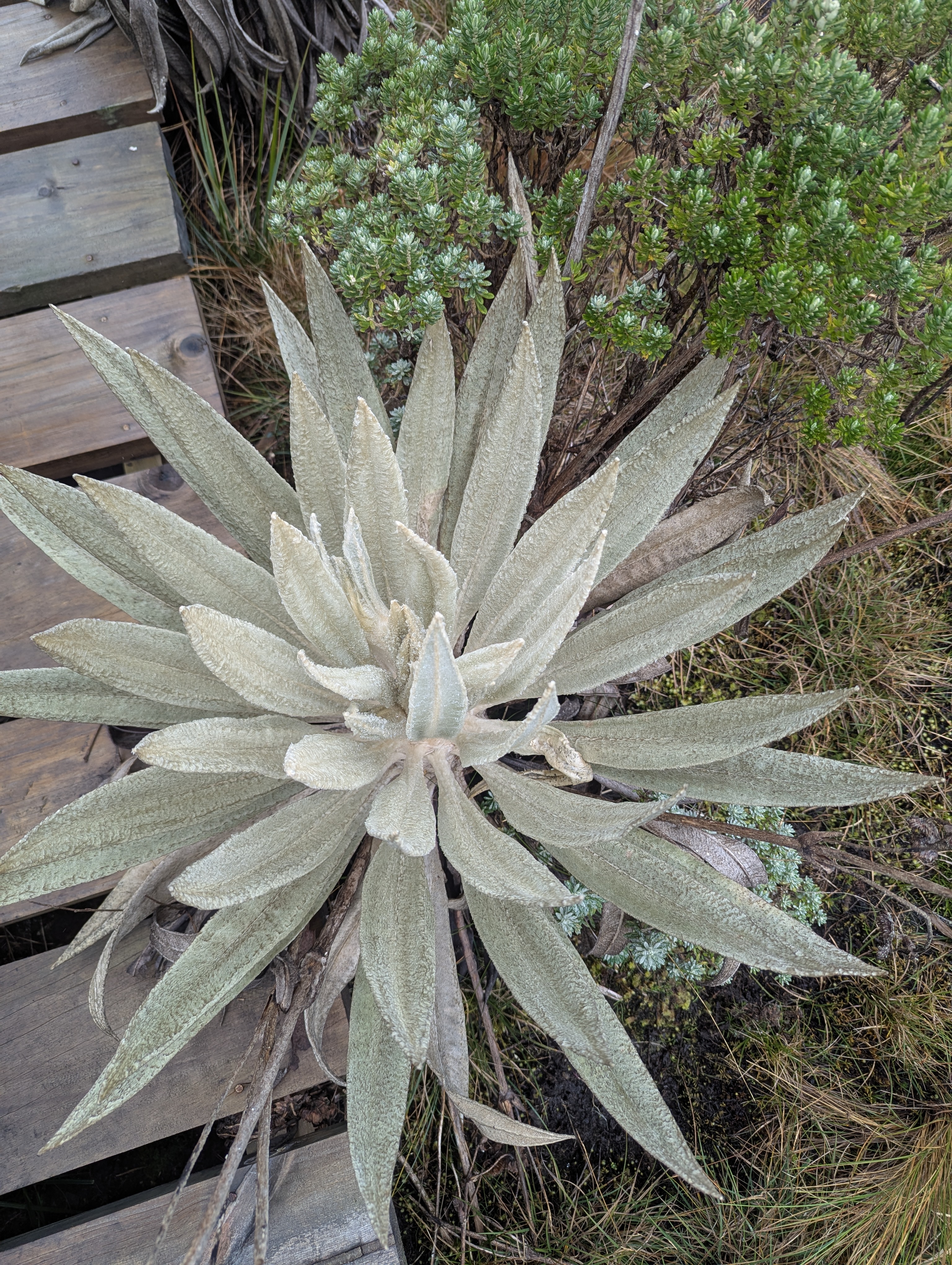
What Looks Like One Plant Might Be Several
One thing I hadn't realized when I first visited Chingaza was just how many different species of frailejones there are. Even within the park, several closely related species share the landscape.
Without knowing what to look for, it's easy to spend the day surrounded by these plants without realizing they aren't all the same species. Each has its own evolutionary history, shaped in part by the changing connections between mountains and the conditions on them.
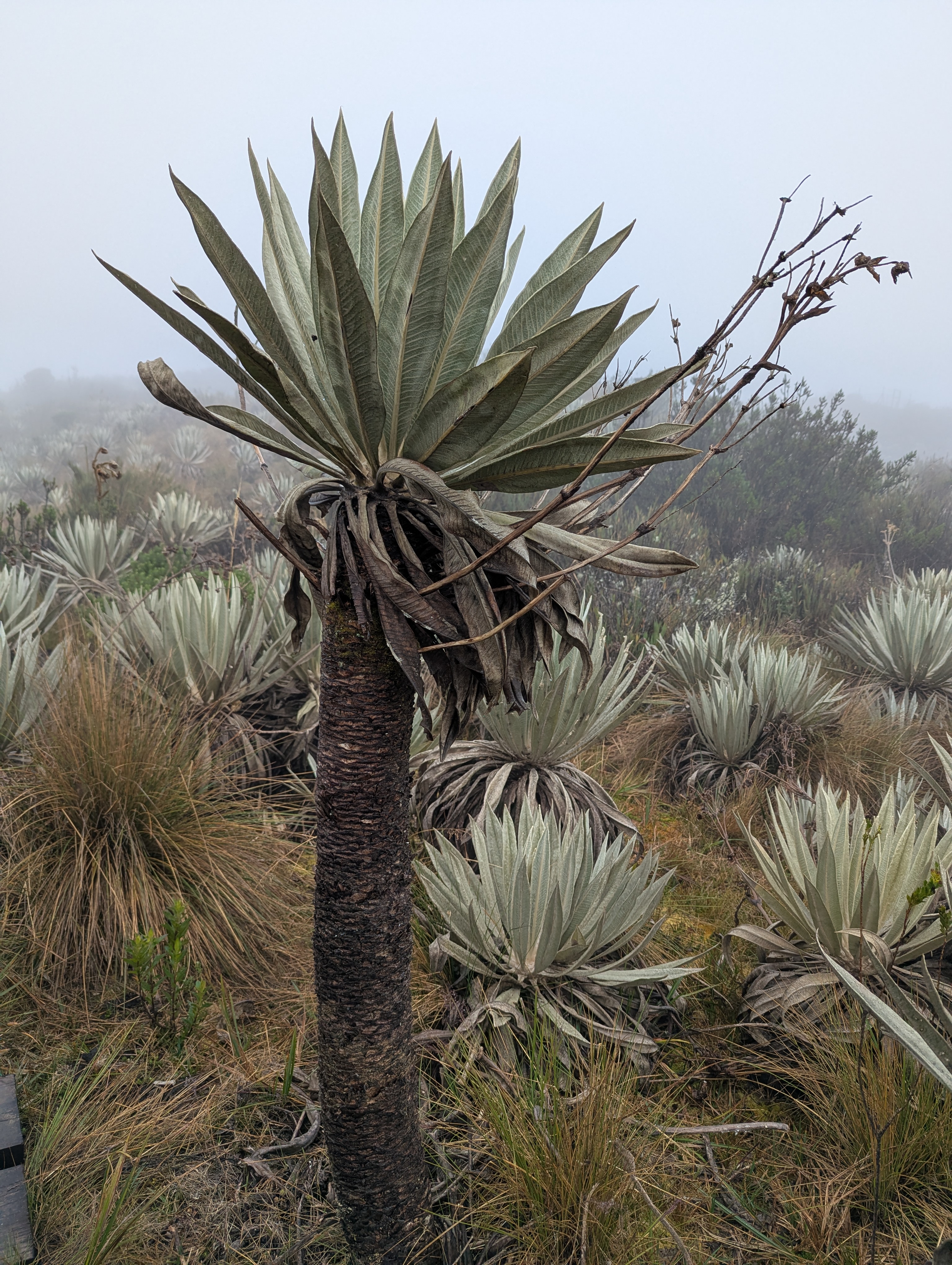
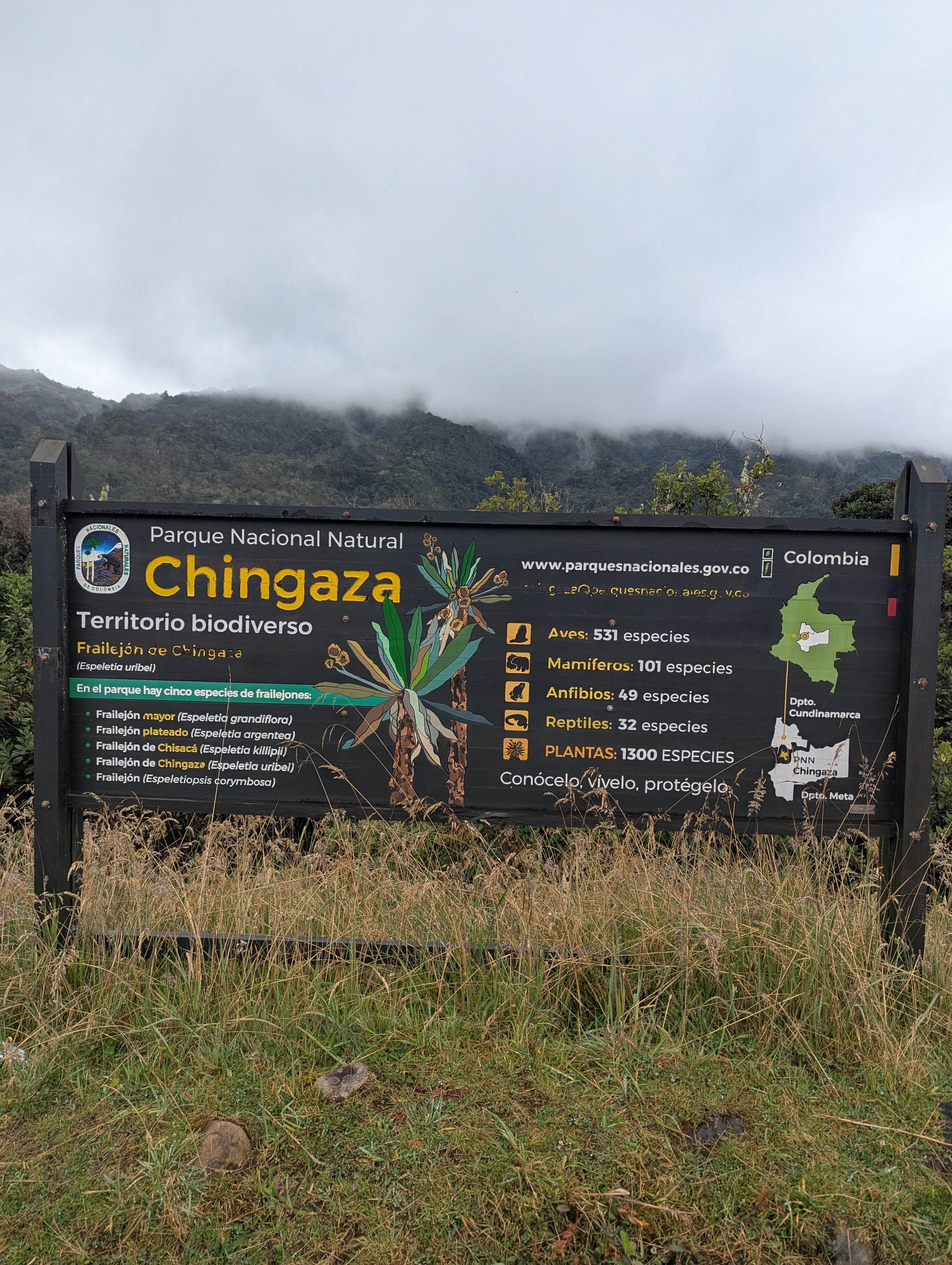
That seems like an opportunity worth paying attention to. Frailejones are already interesting enough to catch people's eyes. A little context can turn that curiosity into a conversation about how the landscape helped shape the diversity around us.
A Missed Opportunity for Evolution Education
The Galápagos Islands offer an interesting example of how even destinations famous for their evolutionary history can miss opportunities to teach visitors about it.
In one study, only two of 111 surveyed tourists identified evolution or the history of evolutionary thought as their primary motivation for visiting. Most were interested in the wildlife and natural environment (Mazur et al., 2018).
And really, can you blame them? People travel to see extraordinary places and animals, not necessarily to sit through a biology lecture.


Consider Darwin's finches. Their different beak shapes provide a visible example of how closely related species have diversified over generations. It's a fascinating story, but visitors might not make that connection without someone pointing it out.
That's what makes nature-based tourism such an interesting opportunity for education. Visitors are already interested in the organisms and environments they're experiencing. They just might not be thinking about the evolutionary processes that shaped them. Not arriving with that interest doesn't mean they wouldn't welcome the conversation.
What Can Guides and Guests Do Differently?
Through my work in zoos and environmental education, I've had plenty of opportunities to explain science to people who didn't come expecting a lesson. Guides can introduce evolution by connecting it to the plants and animals visitors came to see, like explaining why frailejones look so different from plants at lower elevations.
Of course, getting the science right matters. In a study of 63 Galápagos National Park guides, 89% expressed confidence in their understanding of evolution, but only 25% correctly identified the definition of evolution (Cotner et al., 2017). It's easy to accidentally suggest that an animal developed a trait because it needed one. In reality, natural selection acts on inherited variation within populations across generations.
Think back to the frailejones in Chingaza. A guide could point out that during colder periods, páramo habitat extended farther down the mountains, sometimes connecting populations that are separated today. As conditions warmed, those connections changed again. That gives visitors a way to connect the plants in front of them with a much longer history of geographic isolation and evolutionary change (Diazgranados & Barber, 2017).
Guests can start before they even arrive. Spend a little time researching the place you're visiting: what plants and animals live there, what makes them unusual, and how the landscape has changed over time. You don't need to become an expert, but knowing a little about a place's natural history can give you more to look for once you're there.
And don't wait for a guide to bring up evolution. Ask questions about what you're seeing. What makes these plants or animals different from ones you've encountered elsewhere? What might have separated their ancestors? If you're visiting with a guide, ask how the landscape has changed over time, or what scientists know about the species that live there.
You don't need to know the scientific terms or have all the answers. Simply paying attention to the connections between organisms and their environments can add another layer to the experience, whether you're in the Andes, the Galápagos, or somewhere closer to home.
Every Landscape Has a History
I went to Chingaza hoping to see spectacled bears. I certainly wasn't expecting to come home thinking so much about plants.
But the more I've learned about frailejones and their evolutionary history, the more I realize how much I was surrounded by without fully understanding it.
I think that's one of the greatest opportunities nature-based tourism offers. We don't need to turn every hike or wildlife encounter into a science lesson, but a little context can completely change how we experience a place. Research on wildlife tourism suggests that reflection and meaningful engagement can support environmental learning, although we still need more research on evolution learning specifically (Ballantyne et al., 2011).
The next time you visit somewhere new, take a moment to think about the evolutionary processes that helped shape the landscape around you. Think about its history, the plants and animals that live there, and the millions of years of change that brought everything together.
Every landscape has a history, and I think understanding even a little of that history makes us appreciate just how unique the moment we're experiencing really is.
Want to see the páramo for yourself?
Join me in Colombia, April 13–22, 2027. We'll explore Chingaza's páramo with local guides before heading into the Amazon for an entirely different landscape, wildlife, and experience.
About this article
This article was written as part of my graduate coursework in conservation biology through Miami University's Project Dragonfly program. It draws on research conducted for BIO 634: Issues in Evolution, exploring how nature-based tourism can create opportunities for evolution education.
Sources & further reading
- Ballantyne, R., Packer, J., & Falk, J. (2011). Visitors' learning for environmental sustainability. Tourism Management. DOI
- Cortés, A. J., et al. (2018). On the causes of rapid diversification in the páramos. Frontiers in Plant Science. DOI
- Cotner, S., et al. (2017). Teaching the tourists in Galápagos. Evolution: Education and Outreach. DOI
- Diazgranados, M., & Barber, J. C. (2017). Geography shapes the phylogeny of frailejones (Espeletiinae Cuatrec., Asteraceae): A remarkable example of recent rapid radiation in sky islands. PeerJ, 5, e2968. DOI
- Mazur, C., Galush, T., Moore, R., & Cotner, S. (2018). Primary motivations of tourists visiting Galápagos: Do tourists visit the archipelago to learn about evolution? Evolution: Education and Outreach, 11, Article 9. DOI