On my second trip to Colombia, I knew I wanted to see more of the Andes and look for spectacled bears. What I hadn't heard of was the páramo, or its most iconic plants, the frailejones.
The páramo is a high-elevation ecosystem found primarily in the northern Andes. Colombia contains extensive areas of páramo, including those protected within Chingaza National Natural Park outside Bogotá.
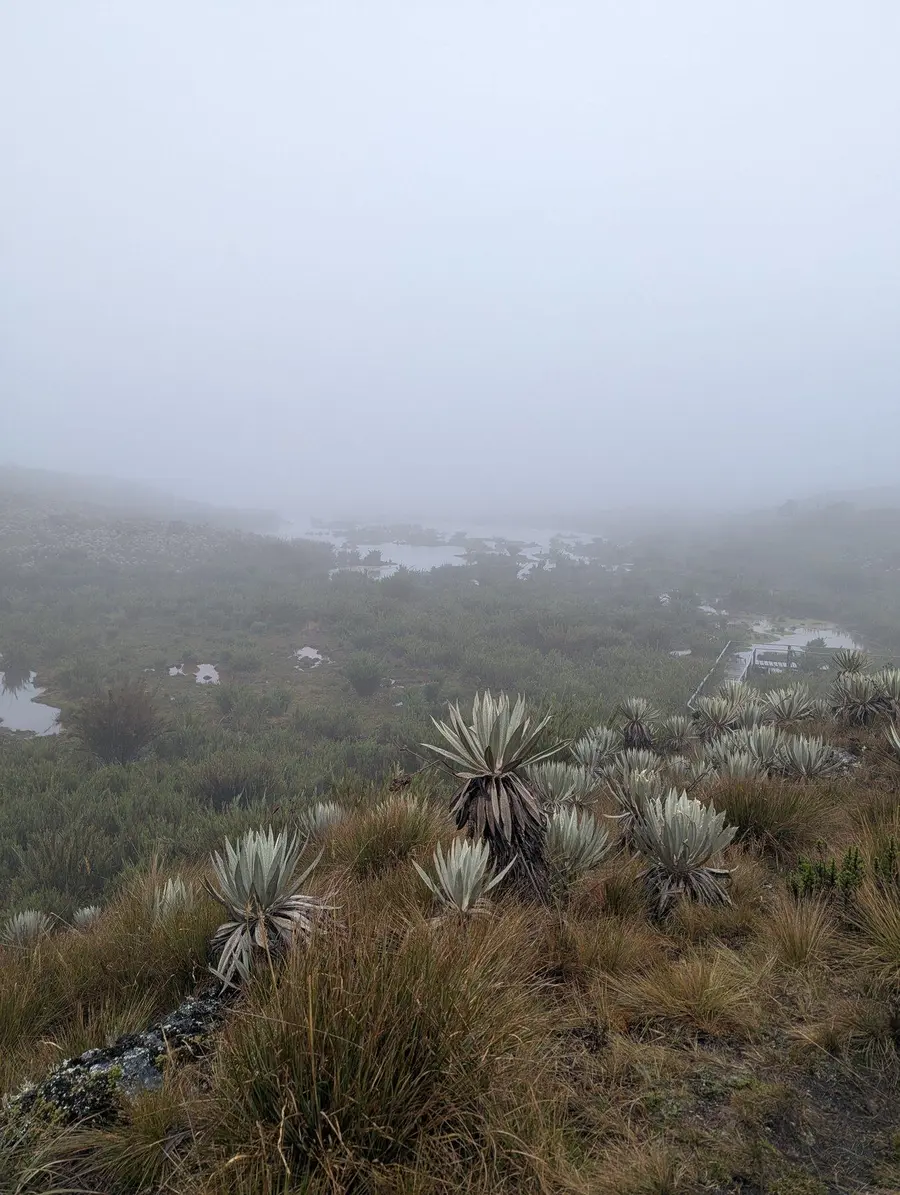
What is the páramo?
Páramo generally occurs above the upper limit of Andean forest and below the permanent snowline. It is a cold, wet environment where mist and clouds are common and conditions can change quickly.
The landscape includes grasses, shrubs, wetlands, mosses and other plants adapted to high elevations. Among the most distinctive are frailejones, which can cover entire hillsides in parts of the Colombian Andes.
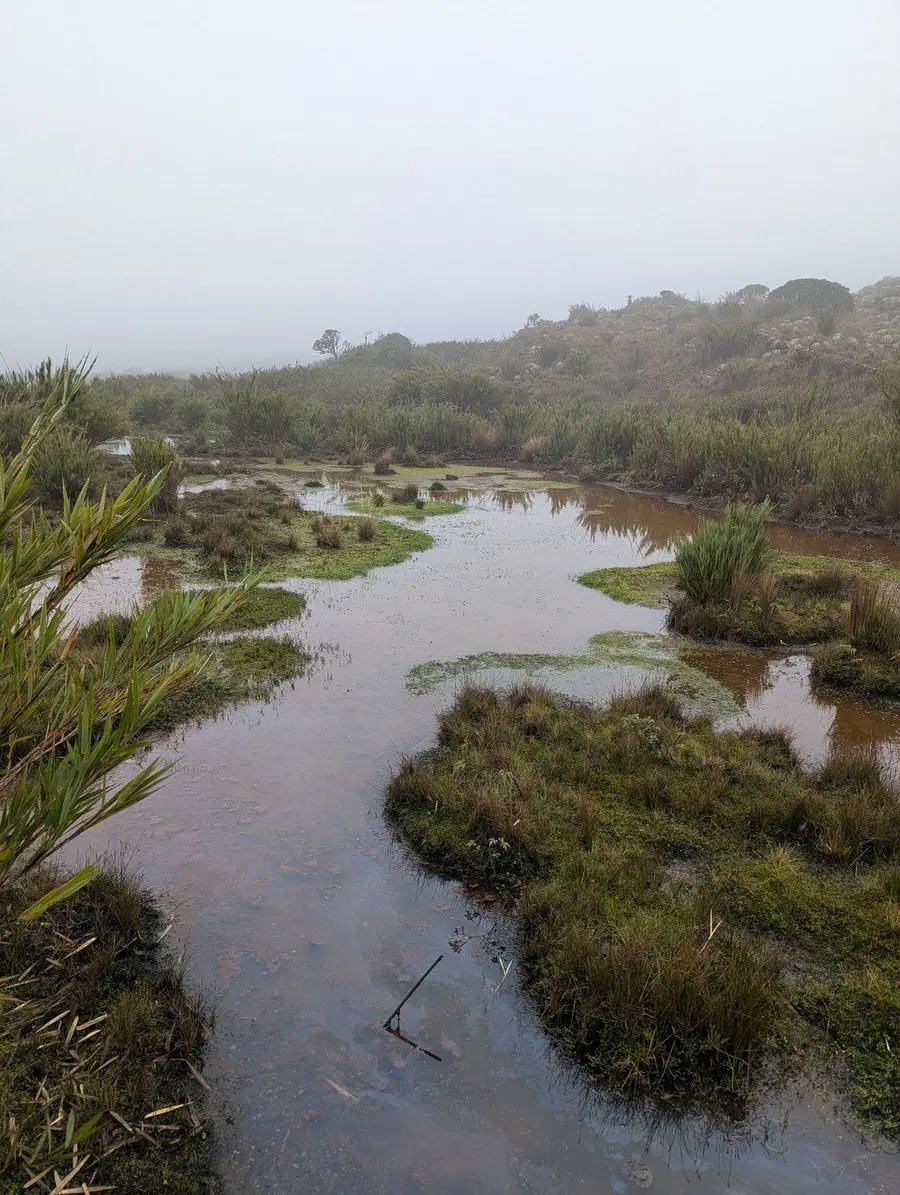
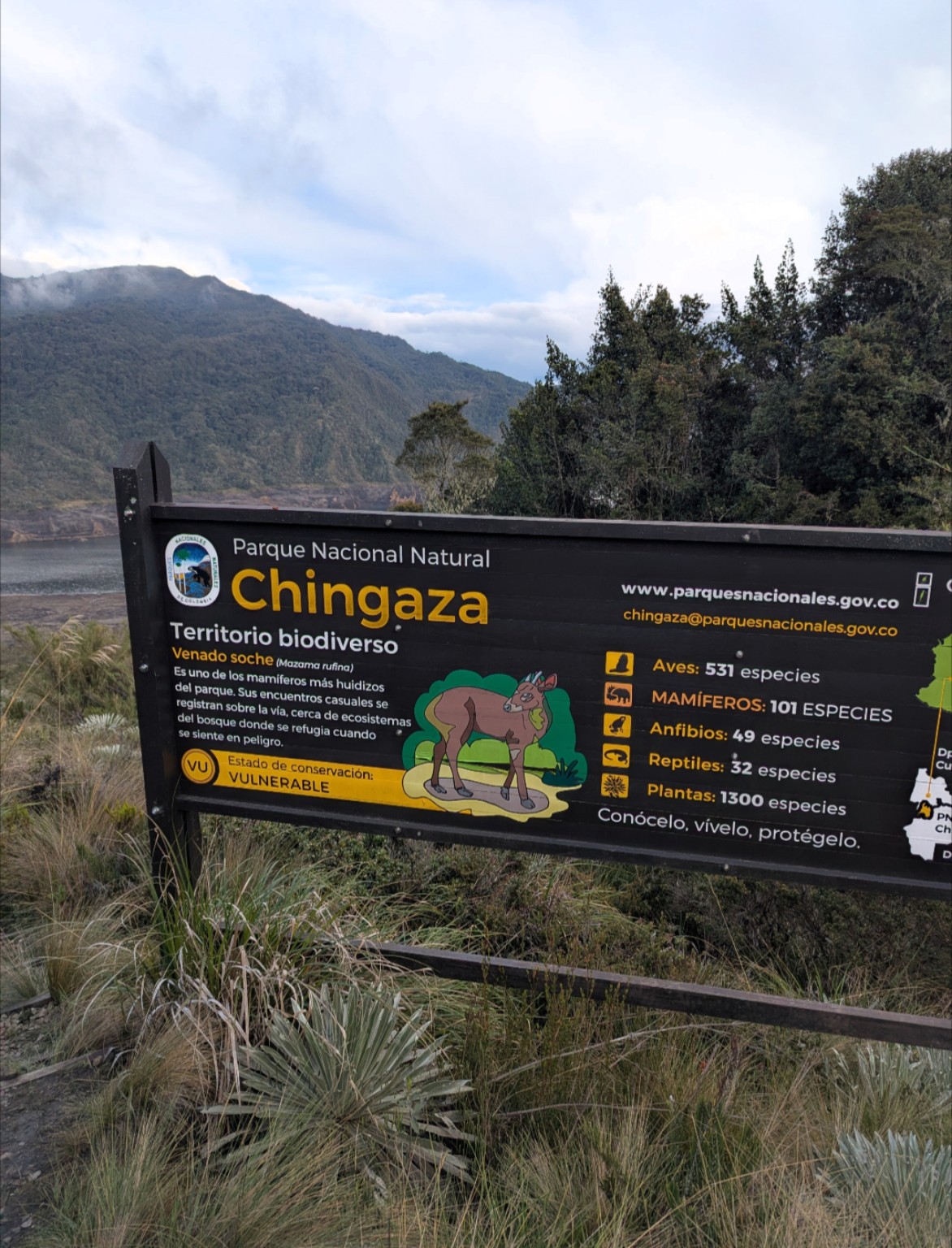
Chingaza protects páramo along with high-Andean and sub-Andean forests, wetlands and lakes. The park spans an elevation gradient from about 800 to 4,000 meters, creating habitat for a wide variety of plants and animals.
Biodiversity in the páramo
Despite its harsh conditions, the páramo supports high levels of biodiversity and especially high levels of plant endemism.
Part of that diversity comes from geography. Areas of páramo are separated from one another by forests and valleys. These isolated patches of high-elevation habitat can function somewhat like islands, allowing populations to become separated and evolve independently.
Across the different ecosystems protected within Chingaza, more than 1,400 plant species are estimated to occur. The park has also recorded 531 bird species, 101 mammals, 49 amphibians and 32 reptiles. Its wildlife includes pumas, white-tailed deer, Andean condors, hummingbirds and spectacled bears.
The plant diversity of Colombia's high mountains is especially notable. The Humboldt Institute's current checklist includes more than 700 vascular plant species considered endemic to Colombia's páramos and high mountains.
Frailejones
Frailejones are members of the sunflower family and are among the plants most closely associated with the páramo.
Many have a thick upright stem topped with a rosette of large, fuzzy leaves. Those leaves are adaptations to life at high elevation, helping the plants cope with cold temperatures and intense solar radiation.
Chingaza has six recorded species of frailejón, including Espeletia uribei, a species endemic to the area.
Frailejones also contribute to the páramo's role in the water cycle. Their leaves capture moisture from the air and help channel it toward the soil. Along with wetlands, mosses, other vegetation and organic-rich soils, they are part of an ecosystem that collects, stores and gradually releases water.
Frailejones can also provide clues when looking for one of Chingaza's largest residents.
Spectacled bears in the páramo
Spectacled bears, also called Andean bears, are the only living bear species native to South America. They are found along the Andes and use several different habitats, including Andean forest and páramo.
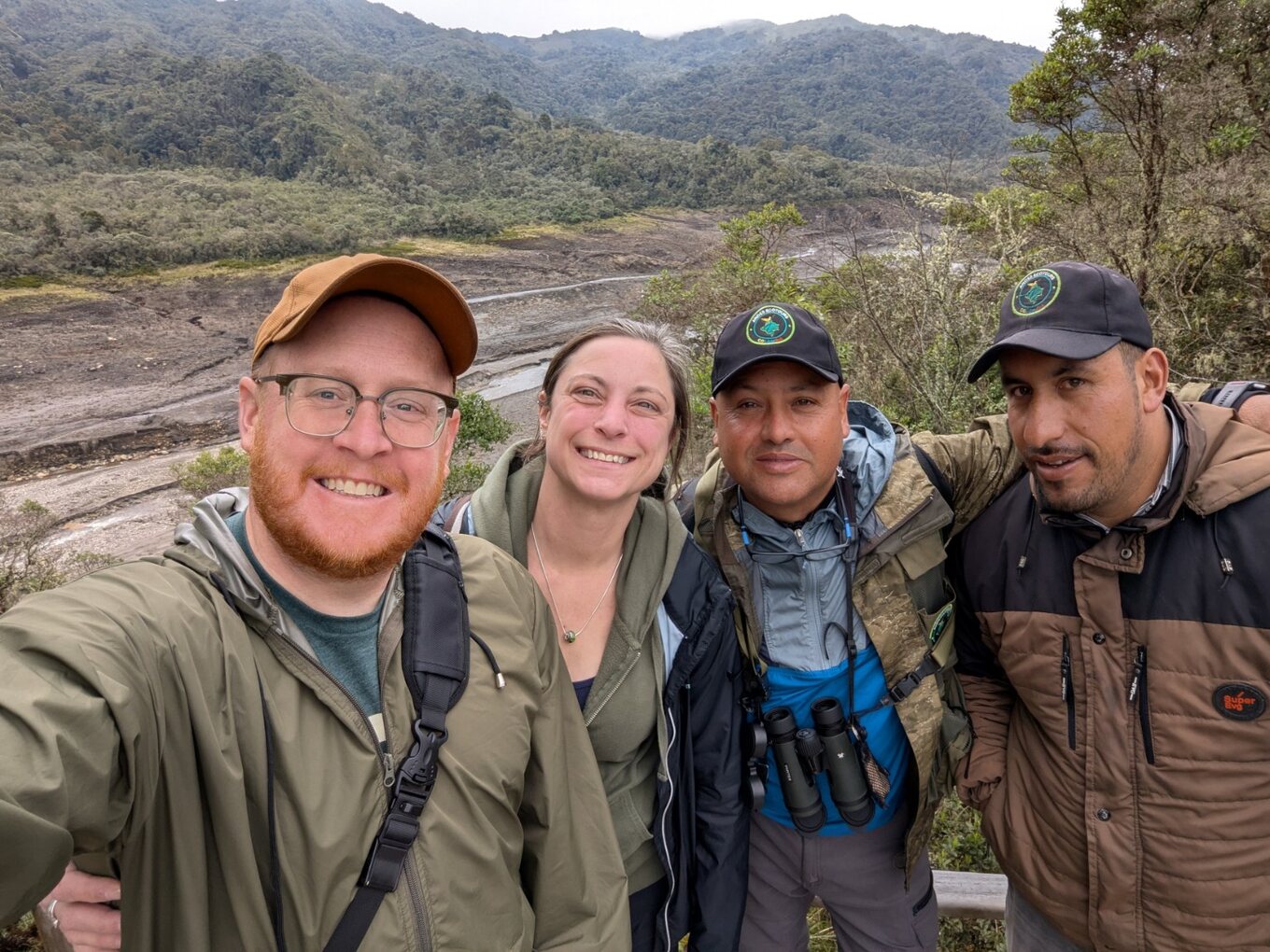
Much of their diet consists of plant material. In Chingaza, our local guides Diego and Hector from Andes Ecotours showed us frailejones that bears had dug into and torn apart while feeding. Following those feeding signs helped us look for recent bear activity.
We eventually spotted a mother and cub, and later a third spectacled bear ran across the road in front of our car as we were leaving the park.
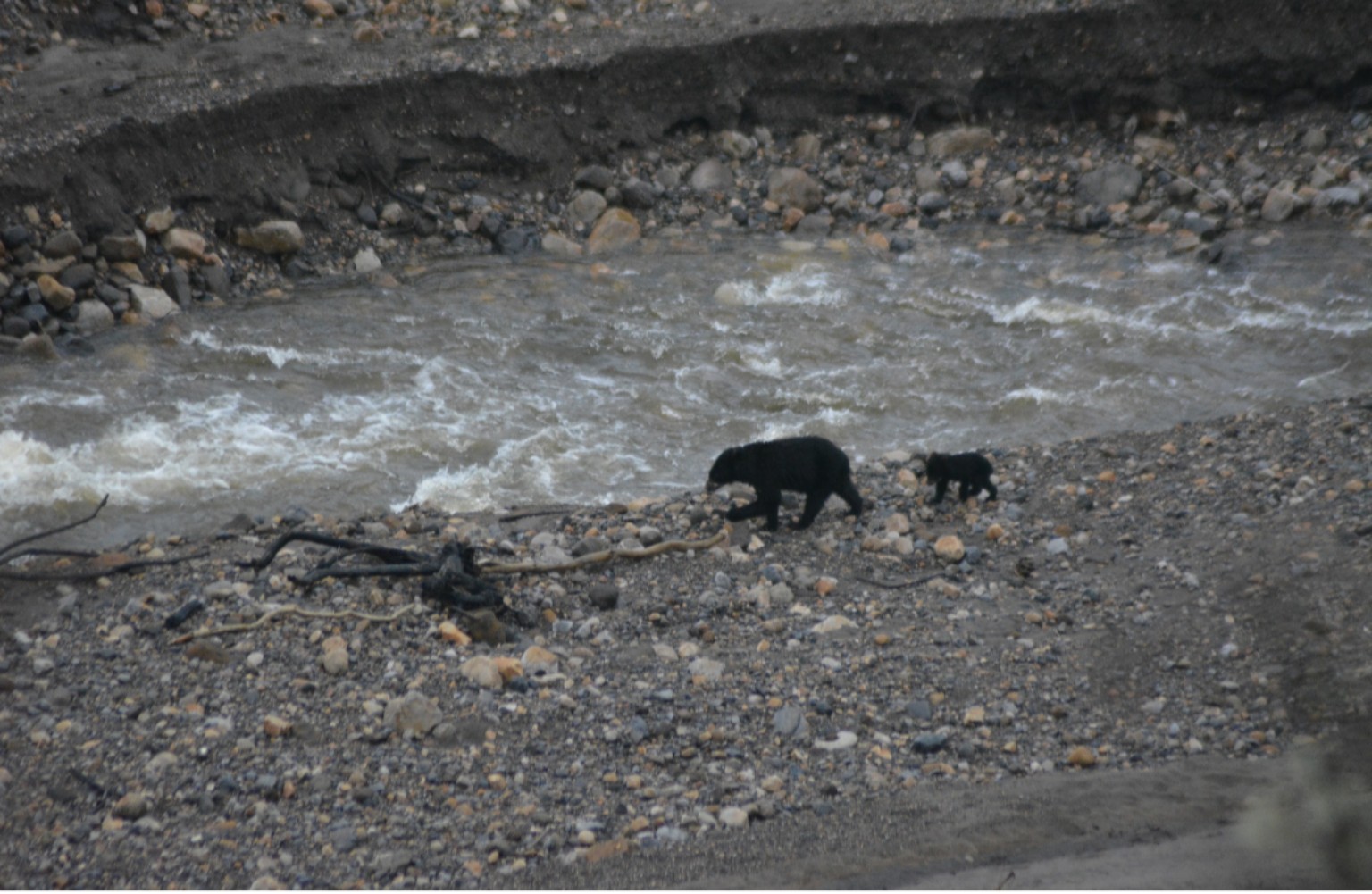
The bears' use of different habitats and elevations also shows why connected habitat matters. Chingaza's protected forests and páramo provide space for Andean bears and many of the other species that share the landscape.
The páramo and water
One of the páramo's most important functions is water regulation.
Rain and mist are captured by vegetation and stored in wetlands and organic-rich soils. Water is then gradually released into streams and rivers rather than immediately running downhill.
Chingaza is especially important because its watersheds provide water for millions of people in Bogotá and surrounding communities. The connection between the páramo and Bogotá is a good example of why conserving an ecosystem isn't only about the wildlife living there. Changes to páramo vegetation, soils and wetlands can also affect communities far downstream.
From the Andes to the Amazon
Colombia's biodiversity is often associated with the Amazon rainforest, but the páramo is a good example of how much the country's ecosystems change with elevation and climate.
On our trip, the contrast was especially clear. One day we were in the cold, misty páramo of Chingaza, walking among frailejones and looking for spectacled bears. The next day we were boating down the Amazon River in the heat of the rainforest.
Within a short period of time, we went from an ecosystem shaped by high elevation, cold temperatures and mountain wetlands to tropical rainforest habitat for monkeys, sloths, birds and pink river dolphins.
Few things exemplify the biodiversity and contrast of Colombia better.
It's also one of the reasons our Andes & Amazon expedition includes both. Experiencing the páramo and Amazon rainforest back-to-back provides a look at two very different ecosystems within one of the world's most biodiverse countries.