People sometimes ask me how to tell if a zoo or sanctuary is ethical. There is no single word on the sign that answers the question.
I spent years in the education departments at Cheyenne Mountain Zoo, Denver Zoo, and the Downtown Aquarium in Denver. A zoo internship is also what led to my first international trip, to Kenya. I still believe good zoos can do valuable work. I also have more complicated feelings about keeping wild animals than I did when I started.
Because of that, I look past what a facility calls itself and pay attention to what it actually does.
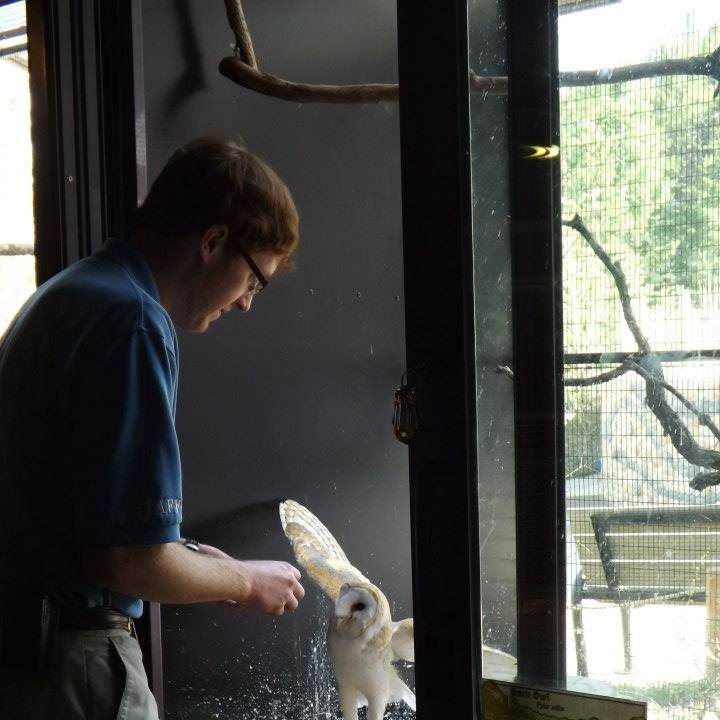
Zoo, sanctuary, or rehabilitation center?
These facilities are supposed to have different jobs, although the names are not always used honestly.
Zoos and aquariums
Zoos and aquariums keep animals for public viewing. If they are going to keep wild animals, I think they should be doing more than keeping them alive. Look for excellent veterinary care, space and enrichment that support natural behavior, conservation work, research, and education that is more useful than a sign next to an enclosure.
Animals should also have choices. They need places to rest, hide, and get away from visitors when they want to.
Wildlife sanctuaries
A real sanctuary provides lifelong care for animals that cannot be released. The problem is that anyone can put the word sanctuary on a sign. It is not proof that the facility is nonprofit, that its animals were rescued, or that their welfare comes first.
Look for a place that does not breed animals in lifetime care and does not buy, sell, or trade them. Those are part of the standards used by the Global Federation of Animal Sanctuaries. Public contact should be limited too. If a wildlife sanctuary offers baby-animal cuddling or tiger selfies, I would leave.
Wildlife rehabilitation centers
A rehabilitation center takes in sick, injured, or orphaned wild animals with the goal of releasing them. That changes everything about how the animals should be treated. Contact is kept to the minimum needed for care so they do not become comfortable around people.
Some rehabilitation centers have permanent residents that could not be released, and some allow visitors to observe. What they should not offer is the chance to feed or hold animals that are supposed to return to the wild.
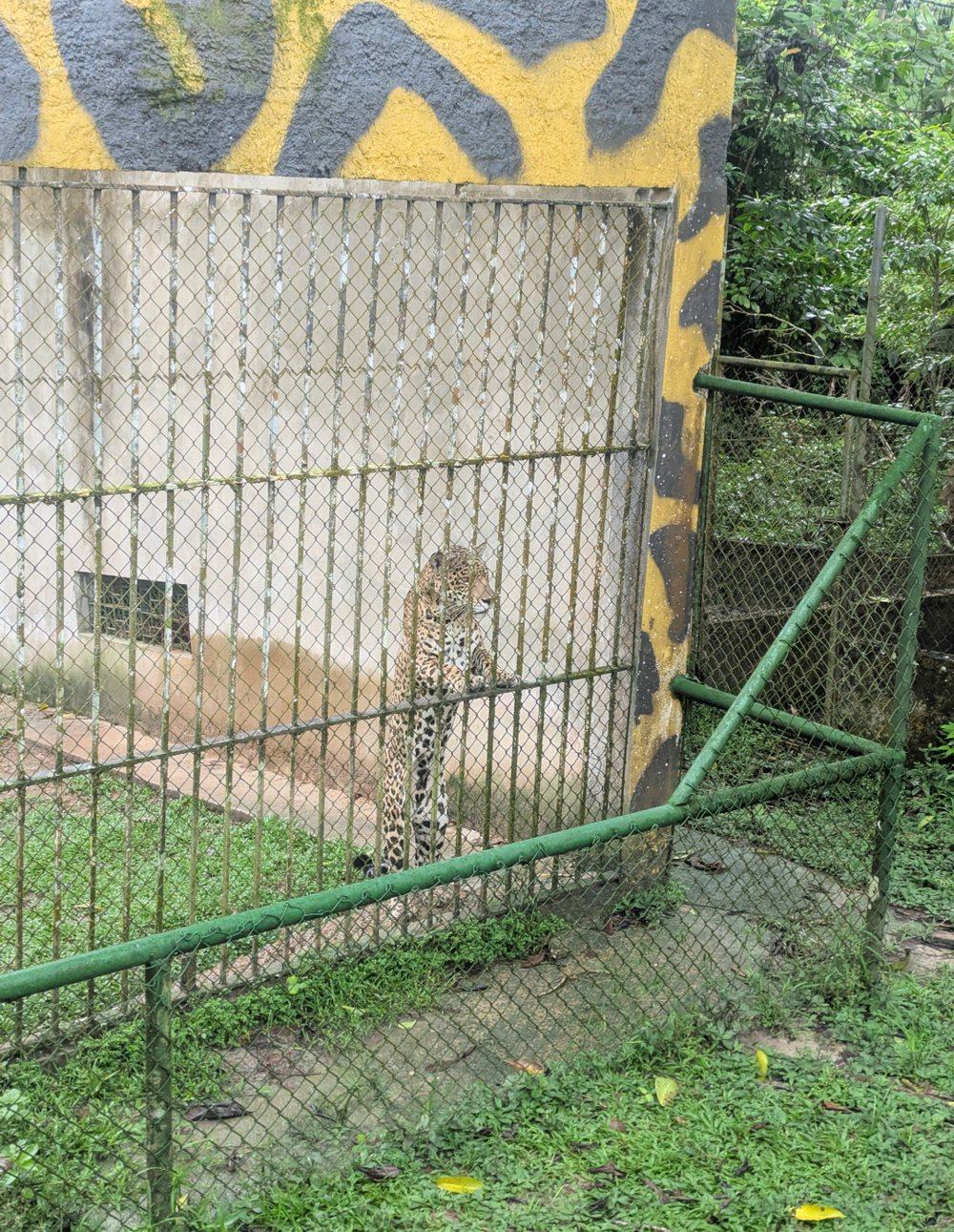
What accreditation actually tells you
In the United States, many animal exhibitors must have a USDA license. That tells you the facility is regulated under the Animal Welfare Act. It does not tell you whether it meets the higher standard you may expect from a good zoo or sanctuary.
For zoos and aquariums, I look for AZA accreditation. The Association of Zoos and Aquariums uses a detailed application, an on-site inspection, and a review process that facilities repeat every five years. It looks at animal welfare, veterinary care, conservation, education, safety, staffing, and finances.
For sanctuaries, I look for GFAS accreditation. The Global Federation of Animal Sanctuaries evaluates animal care and the way the organization operates.
Accreditation is a useful shortcut, but it is still a shortcut. A small facility may be doing good work without it, and an accredited facility can still make choices you disagree with. If a place is not accredited, I ask more questions.
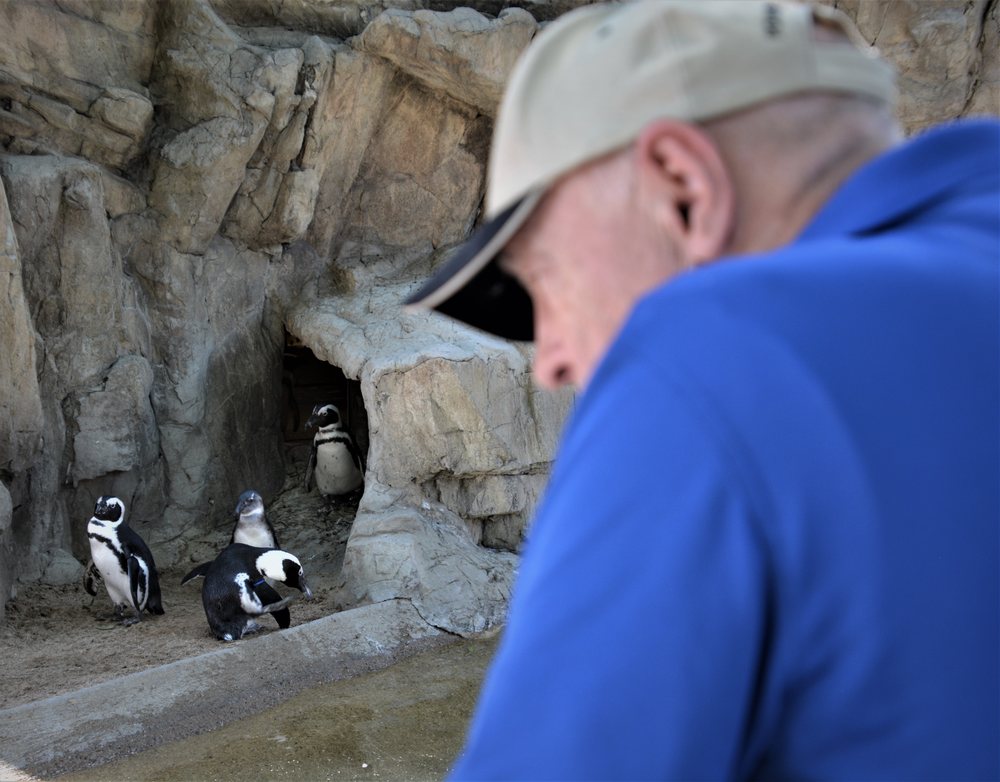
Most Americans will never see a wild elephant. A zoo may be the only place they ever stand near one and feel something about it. I taught in zoos for years, and I still believe that matters.
I also think we have to be honest about the cost. An animal in a zoo has given up a wild life it did not choose to give up. Good education does not make that a small thing.
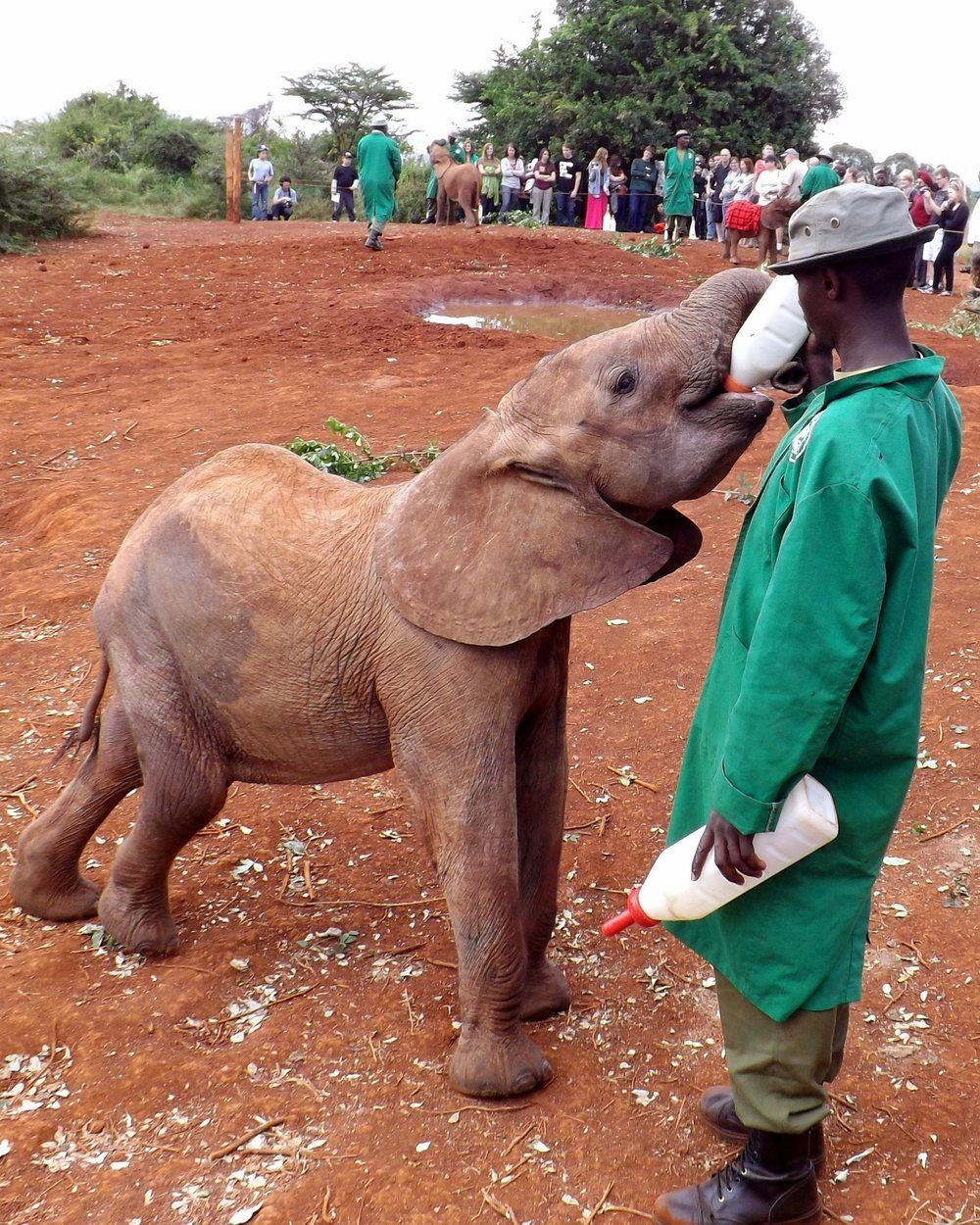
Red flags at zoos and wildlife sanctuaries
I pay attention to what the facility sells as much as what it says. A few things make me especially cautious:
- Photos, rides, bathing, or other direct contact with wild animals
- A constant supply of baby animals with no clear explanation of where they go as adults
- Bare enclosures with nowhere to hide, climb, dig, swim, or rest
- Repeated pacing, rocking, head bobbing, or over-grooming
- Vague conservation claims with no named projects or partners
- No clear answer about where the animals came from
Cub petting is one of the clearest warnings. Baby big cats can only be handled safely for a short period, so keeping that attraction open requires repeated breeding. None of those cubs will be released, and the facility should be able to explain what happens when they grow up.
Questions to ask before you visit
Before buying a ticket, ask:
- Is the facility AZA accredited, GFAS accredited, or part of a credible regional association?
- If it calls itself a sanctuary, does it breed animals? Does it buy, sell, or trade them?
- Where did the animals come from?
- Am I being offered contact with the animals? Who benefits from that contact?
- Does the facility fund conservation in the field? Can it tell me which projects?
- Do the enclosures give animals somewhere to go when they want to be out of sight?
- If it is a rehabilitation center, how many animals are released?
There is no perfect label
I do not think this sorts neatly into good zoos and bad sanctuaries, or the other way around. There are excellent zoos doing serious conservation work and terrible places calling themselves sanctuaries. There are also small, legitimate facilities without accreditation, sometimes because accreditation is expensive and they have chosen to put their limited resources directly into caring for animals.
I have worked in this field for years, and I still do not have a clean answer. When I'm deciding whether I want to support a facility, I start with a simple question: why is the animal there?
If the answer is tied to the animal's needs, such as rehabilitation, lifelong care or a well-managed conservation program, that tells me a lot. If the experience seems to exist mostly so visitors can get close to an animal, I start asking more questions. The same idea applies when I'm choosing an animal encounter.