A lot of people ask me if Colombia is safe to travel to. My answer is usually yes, as long as you use common sense.
I've been to Colombia twice, once independently with my wife and once leading a group. I've never felt unsafe there. That does not make Colombia risk-free, and it does not mean everyone will have the same experience. It does mean the country I found was very different from the one many people still picture.
What does Colombia's Level 3 travel advisory mean?
The United States currently lists Colombia as Level 3: Reconsider Travel. That warning matters, and I would never tell someone to ignore it.
It also needs context. The same advisory identifies specific Level 4 areas: Arauca, Cauca except Popayán, Valle del Cauca except Cali, Norte de Santander, and the region within 10 kilometers of the Venezuelan border. Those areas are not part of the Threaded Expeditions itinerary, which visits Bogotá, Chingaza National Park, Leticia, and Puerto Nariño.
The national advisory also warns about crime, terrorism, civil unrest, kidnapping, and natural disasters elsewhere in Colombia. Those concerns are real. It is still possible to take them seriously without treating every part of the country as if it carries the same level of risk.
Practical precautions
I follow the same basic precautions in Colombia that I would in any unfamiliar city. I plan ahead, keep my phone and cash put away when I am not using them, watch my drinks, use a ride app or official taxi, and ask local people which areas to avoid, especially at night.
How Colombia's travel warning compares with the United States
I find it helpful to read other countries' travel warnings about the United States. Canada says terrorist attacks could happen at any time. Australia warns about terrorism, mass-casualty violence, gun violence, and hate crimes directed at people from diverse cultural, ethnic, and religious backgrounds. The United Kingdom says terrorists are very likely to try to carry out attacks here.
More than 120 civil-rights groups also issued a 2026 World Cup travel advisory that specifically warns visitors about racial profiling during immigration enforcement.
Those warnings are not wrong. Still, someone who only read them before visiting Denver might imagine something very different from ordinary life here. Travel advisories are written to identify risk, not to describe every visitor's experience.
My experience traveling in Colombia
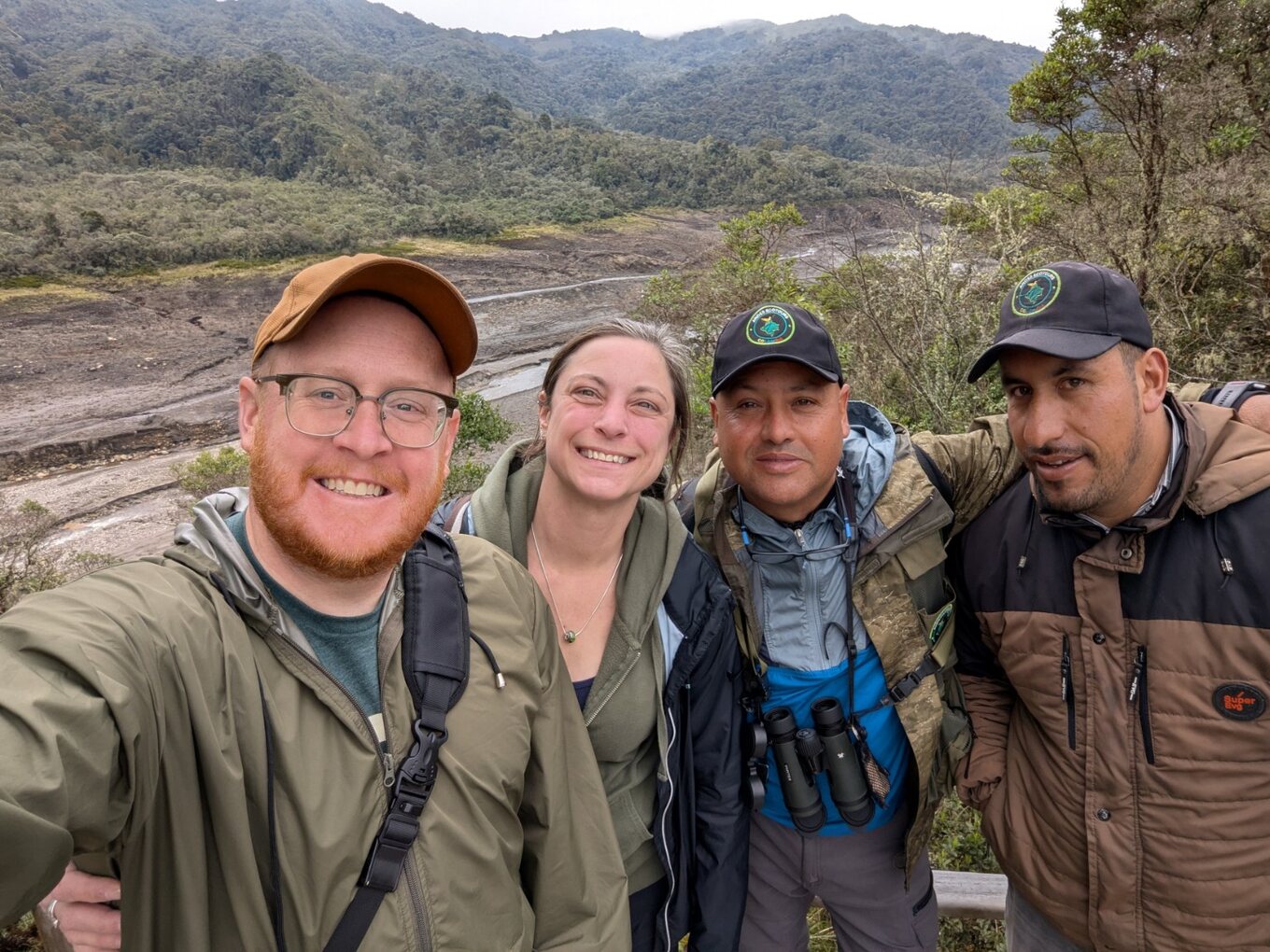
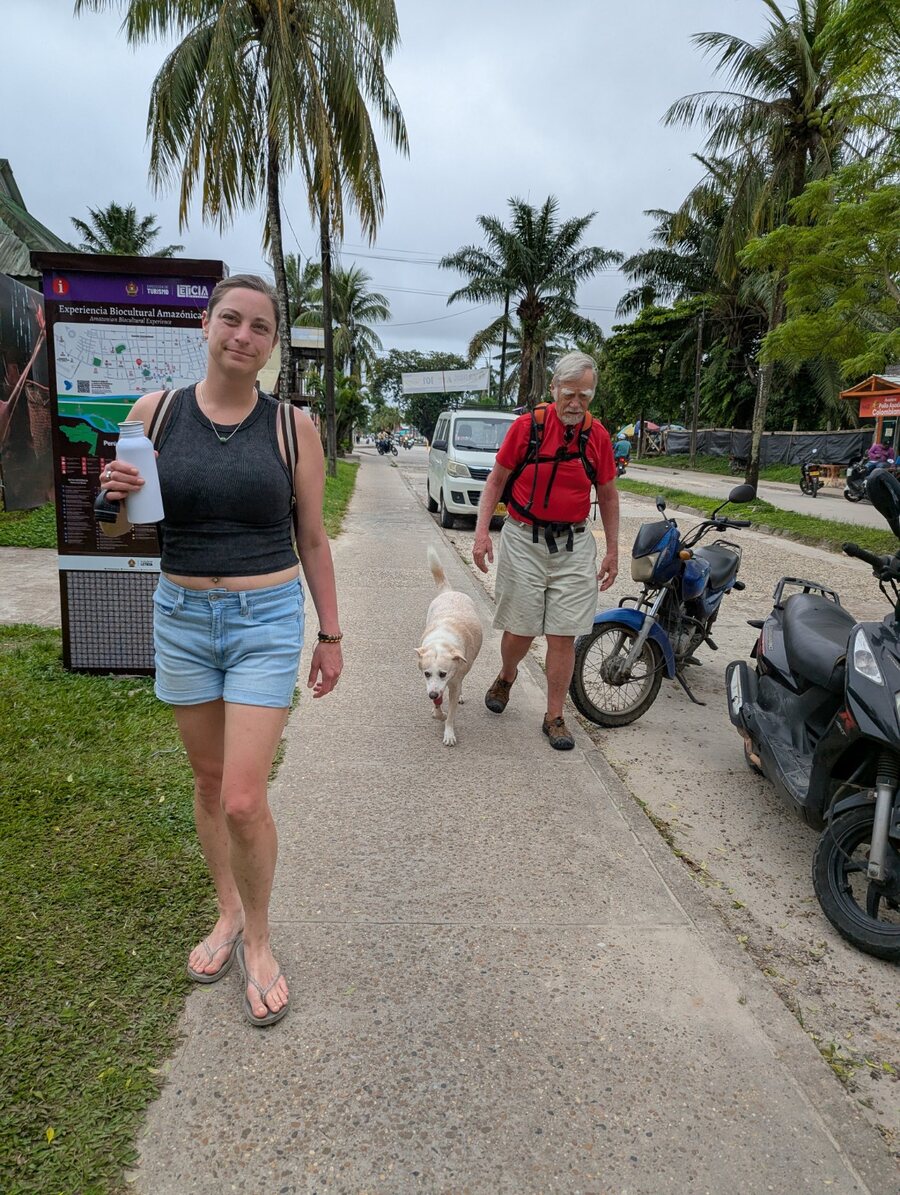
On my two trips, I traveled through Bogotá and the Colombian Amazon, including Leticia and Puerto Nariño. I walked around, used public spaces, went birding, traveled by boat, and later brought a group back. I never felt unsafe.
So, is Colombia safe to travel to?
For the places I visit and the way I travel, yes. Colombia has serious problems, and there are regions I would not visit. It is also not the country many people remember from the early 1990s.
I would tell anyone considering a trip to read the current advisory, plan ahead, and listen to local advice. I would not let an outdated picture of Colombia make the decision for them.
Travel conditions can change quickly. This post reflects the U.S. State Department advisory issued March 31, 2026 and reviewed on August 17, 2026. Check current official guidance before traveling.