Ecotourism is responsible travel to natural places that protects the environment, supports local people, and helps visitors understand the place they came to see.
That is the short answer. The harder part is deciding whether a trip actually does any of those things.
I have seen the word eco attached to everything from locally run rainforest lodges to large resorts with a few bamboo signs and a recycling bin. The label can point to thoughtful work. It can also be decoration.
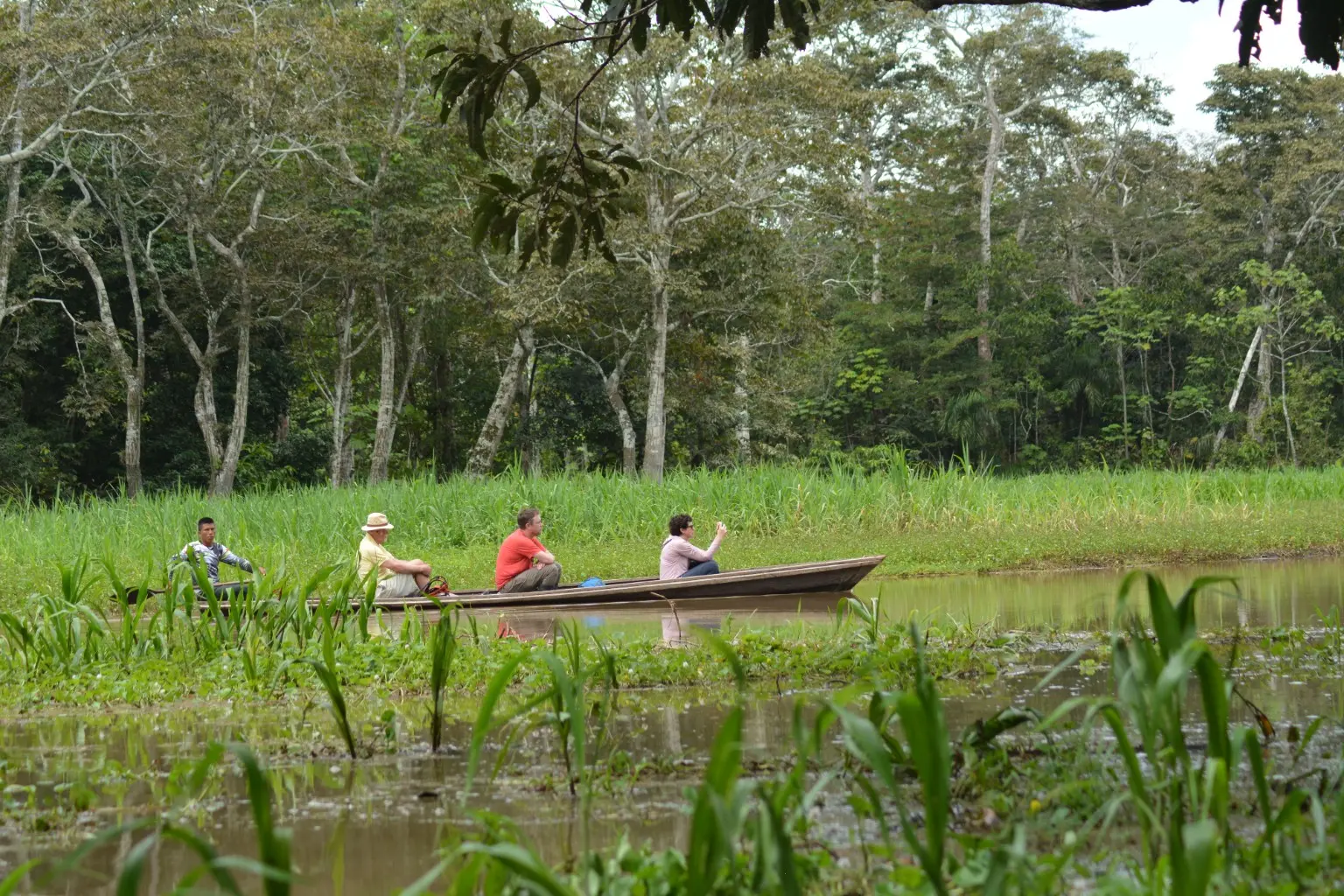
What does ecotourism actually mean?
UN Tourism describes ecotourism as nature-based travel where the main purpose is observing and appreciating nature and traditional cultures. It should include education, minimize negative impacts, and support the conservation of natural areas while creating benefits for local communities.
That gives us a useful test. A trip is not ecotourism simply because it happens outdoors. A wildlife tour, jungle lodge, or hike can still disturb animals, underpay local workers, create waste, or send most of its money somewhere else.
Good ecotourism has three parts:
- Nature is protected. The experience does not depend on damaging habitat or forcing wildlife to perform.
- Local people benefit. Guides, staff, businesses, landowners, and communities have a meaningful role and are paid fairly.
- Travelers learn something real. Interpretation goes beyond naming animals or pointing out a view. It helps visitors understand the place, its pressures, and the people living there.
Where did ecotourism come from?
Travel built around nature is much older than the word ecotourism. National parks, wildlife watching, mountaineering, and safari tourism all existed before it. What changed in the late twentieth century was a growing effort to connect nature travel directly with conservation and community development.
The term came into wider use during the 1980s. By 2002, the United Nations had declared an International Year of Ecotourism. Governments, conservation groups, communities, and tourism businesses were already asking many of the same questions we ask now: who benefits, what standards should apply, and how much tourism a place can handle.
Those questions have not gone away. If anything, they matter more now that almost any business can describe itself as sustainable.
Ecotourism and sustainable tourism are not quite the same
Sustainable tourism is the broader idea. It can apply to a city hotel, a conference, a beach resort, or a train journey. The goal is to reduce environmental harm and improve social and economic benefits across tourism.
Ecotourism is usually smaller and more specific. It is centered on natural areas, conservation, local benefits, and education.
A hotel in Bogotá can work toward being more sustainable. A locally guided wildlife trip in Chingaza National Park might be ecotourism. Both can do good work, but they are not the same kind of experience.
Common ecotourism greenwashing
Greenwashing is when the environmental story is stronger than the environmental work. It is not always an outright lie. Sometimes a business highlights one small positive choice while leaving much larger impacts out of the picture.
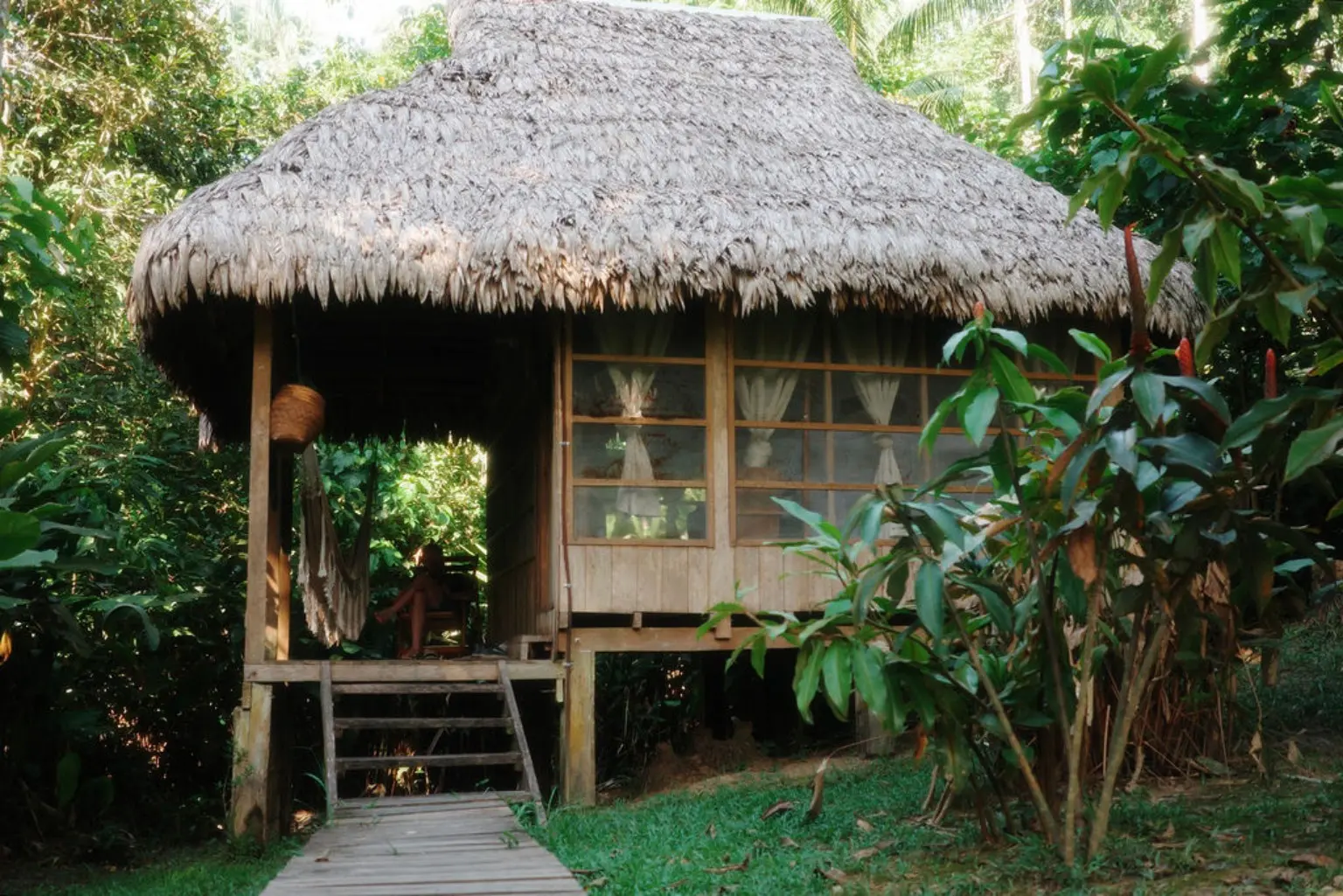
Using vague words without showing the work
Eco-friendly, natural, responsible, and green sound reassuring, but none of them answers a practical question. What is being conserved? Who is being paid? How is waste handled? What changed because this business exists?
Making a small donation the whole story
A donation can be valuable. It does not cancel out poor animal welfare, low wages, habitat damage, or a business model that sends most of the money away from the destination.
Look for a specific amount or percentage, the name of the organization receiving it, and some explanation of what the partnership does.
Treating local people as scenery
A village visit is not automatically community tourism. Ask who designed the experience, who gives permission, who gets paid, and whether residents can say no. Local ownership and decision-making matter more than a photograph of travelers standing beside local children.
Calling any wildlife interaction conservation
Touching, feeding, bathing, riding, or posing with a wild animal does not become ethical because part of the ticket price supports conservation. Start with the animal's welfare and ability to choose. You can read my fuller guide to choosing an ethical animal encounter.
Relying on offsets while ignoring avoidable impacts
Travel creates emissions. I do not think buying an offset makes a trip impact-free. Before talking about compensation, a company should be able to explain what it does to reduce waste, avoid unnecessary travel, choose lower-impact options where practical, and keep money in the places it visits.
What should you look for before booking?
You do not need to audit a company before every trip. A few direct questions will tell you a lot:
- Who owns the company, lodge, or experience?
- Are local guides named and paid for their expertise?
- Can the company explain exactly where conservation money goes?
- How large are the groups?
- What rules protect wildlife and habitat?
- Are animal sightings guaranteed or staged?
- Does the business name credible standards or certifications and explain what they cover?
- Does it talk honestly about tradeoffs, or only about how green everything is?
The Global Sustainable Tourism Council criteria are a useful reference. They look beyond carbon and recycling to include management, community benefits, cultural heritage, and environmental impacts. Certification is not the only sign of good work, especially for a small local operator, but specific evidence is always better than a leaf-shaped logo.
What ecotourism looks like to me
I do not think there is a perfectly ethical trip. We fly. We create waste. We enter communities that are not our own. Even a well-run wildlife tour can add pressure to a place.
For Threaded Expeditions, the goal is to make the choices visible. I work with local guides and locally operated lodging where I can, keep groups small, avoid wildlife experiences built around touching or feeding, and name the organizations each trip supports. On the Colombia: Andes & Amazon trip, local professionals lead the veterinary outreach while travelers help with appropriate supporting tasks. On our Goat Hikes near Denver, every hike supports the goats, the trails, and Native students.
None of that makes the impact disappear. It gives travelers something concrete to judge.
That is what I look for when I see the word ecotourism: not a perfect label, but evidence that someone has thought seriously about wildlife, local people, and where the money goes.